Myomectomy
Overview
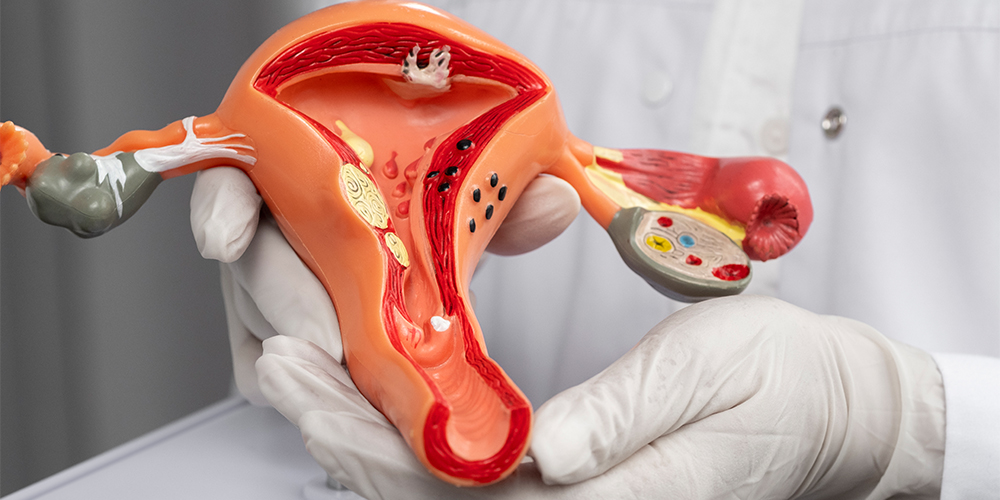
Myomectomy is a surgical procedure to remove uterine fibroids (myomas) while preserving the uterus. Unlike hysterectomy, where the entire uterus is removed, myomectomy allows women to maintain their fertility and menstrual function.
This procedure is especially beneficial for women who wish to become pregnant in the future, or those who want to relieve fibroid-related symptoms while keeping their uterus intact.
At our clinic, we offer advanced surgical techniques — including laparoscopic, hysteroscopic, and open myomectomy — tailored to each patient’s condition for the safest and most effective outcomes.
Why is Myomectomy Performed?
Doctors may recommend a myomectomy when fibroids cause:
Heavy or prolonged menstrual bleeding.
Pelvic pain or pressure.
Frequent urination or difficulty emptying the bladder.
Constipation due to pressure on the rectum.
Infertility or recurrent miscarriage linked to fibroids.
Enlarged abdomen or discomfort.
Types of Myomectomy
Laparoscopic Myomectomy
Performed through small abdominal incisions using a laparoscope.
Minimally invasive, faster recovery, less scarring.
Best for moderate-sized and fewer fibroids.
Hysteroscopic Myomectomy
Fibroids are removed through the vagina and cervix without any abdominal incision.
Suitable for submucosal fibroids (inside the uterine cavity).
Open Myomectomy (Laparotomy)
Performed through a larger abdominal incision.
Recommended for very large or multiple fibroids.
How the Procedure is Done
Preparation
Preoperative imaging (ultrasound/MRI) is done to map fibroids.
Anesthesia (general or regional) is administered.
Surgical Steps
The surgeon accesses the uterus (via laparoscopy, hysteroscopy, or open incision).
Fibroids are carefully cut out, and the uterus is reconstructed with sutures.
Care is taken to preserve uterine structure and fertility.
Duration
Usually takes 1–3 hours, depending on size and number of fibroids.
Recovery After Myomectomy
Hysteroscopic: Same-day discharge, recovery within a few days.
Laparoscopic: Hospital stay 1–2 days, recovery in 2–3 weeks.
Open: Hospital stay 3–4 days, recovery 4–6 weeks.
Mild pain and spotting may occur temporarily.
Follow-up visits ensure proper healing and uterus health.
Benefits of Myomectomy
Preserves the uterus and fertility.
Relieves heavy bleeding, pelvic pain, and pressure symptoms.
Improves chances of conception in women struggling with infertility due to fibroids.
Provides long-term relief while maintaining natural cycles.
Risks & Complications (Rare)
Excessive bleeding during surgery.
Scar tissue formation inside the uterus (adhesions).
Risk of fibroid recurrence.
Infection or injury to nearby organs.
Rarely, hysterectomy may be required if bleeding cannot be controlled.
Our expert team uses advanced techniques and careful planning to minimize these risks.
Fertility Considerations After Myomectomy
Women are usually advised to wait 3–6 months before trying for pregnancy to allow the uterus to heal.
Myomectomy can significantly improve chances of natural conception and success of IVF treatments.
Cesarean section may be recommended for future deliveries, depending on the type and extent of surgery.
Why Choose Us for Myomectomy?
Expert gynecologic surgeons skilled in minimally invasive myomectomy.
Advanced imaging & surgical planning for safe and effective fibroid removal.
Tailored treatment approach — hysteroscopic, laparoscopic, or open surgery as needed.
Fertility-preserving care for women desiring pregnancy.
Comprehensive support — from pre-surgical counseling to recovery guidance.
👉 Myomectomy is an ideal solution for women who want relief from fibroid symptoms while preserving fertility and the uterus. Our advanced surgical expertise ensures safe removal, minimal recovery time, and improved chances of a healthy pregnancy.