
Laparoscopic Hysterectomy
Overview
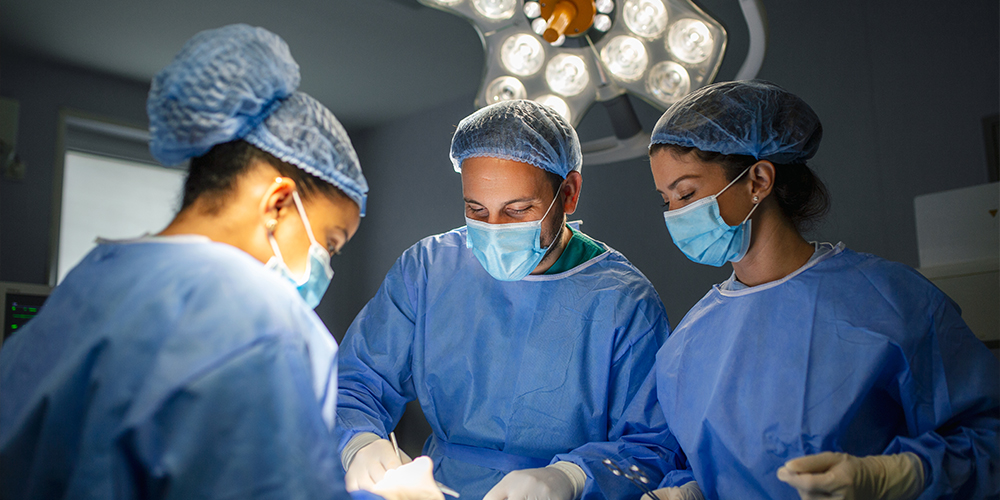
A Laparoscopic Hysterectomy is a minimally invasive surgical procedure in which the uterus is removed using small incisions in the abdomen with the help of a laparoscope (a thin tube with a camera and light). Unlike traditional open surgery, this approach offers smaller scars, less pain, faster recovery, and shorter hospital stay.
Our clinic specializes in advanced laparoscopic techniques performed by highly skilled gynecologic surgeons to ensure safe, precise, and patient-friendly outcomes.
Why is Laparoscopic Hysterectomy Performed?
Doctors may recommend this procedure when medical treatments are no longer effective, or when certain gynecological conditions severely affect a woman’s health or quality of life.
Common reasons include:
Uterine fibroids causing heavy bleeding, pelvic pain, or infertility.
Endometriosis resistant to other treatments.
Adenomyosis (enlarged, painful uterus).
Chronic pelvic pain.
Abnormal uterine bleeding not controlled with medications.
Uterine prolapse (uterus slipping into the vaginal canal).
Precancerous changes or gynecological cancers (in selected cases).
Types of Laparoscopic Hysterectomy
Total Laparoscopic Hysterectomy (TLH) – Removal of the uterus and cervix.
Subtotal / Supracervical Laparoscopic Hysterectomy – Removal of the uterus but leaving the cervix intact.
Laparoscopic-Assisted Vaginal Hysterectomy (LAVH) – Combines laparoscopy with vaginal removal.
Radical Laparoscopic Hysterectomy – For certain cancer cases, includes removal of uterus, cervix, and surrounding tissues.
How the Procedure is Done
Preparation
Performed under general anesthesia.
Pre-surgery tests are done to ensure fitness for the procedure.
Surgical Steps
Small incisions are made in the abdomen.
A laparoscope with a camera is inserted to visualize internal organs.
Special surgical instruments are used to carefully detach the uterus.
The uterus is removed either through the vagina or in small pieces via the incisions.
Duration
Typically takes 1–2 hours, depending on complexity.
Recovery After Laparoscopic Hysterectomy
Hospital stay is usually 1–2 days (shorter than open surgery).
Mild abdominal discomfort and bloating may occur for a few days.
Most women can return to light activities within 1–2 weeks.
Full recovery usually takes 4–6 weeks.
Follow-up visits are scheduled to monitor healing and provide guidance.
Benefits of Laparoscopic Hysterectomy
Smaller incisions and minimal scarring.
Less post-operative pain compared to open surgery.
Shorter hospital stay and faster return to normal life.
Lower risk of infection and blood loss.
Improved cosmetic outcome and patient satisfaction.
Risks & Complications (Rare)
While laparoscopic hysterectomy is generally safe, risks include:
Injury to nearby organs (bladder, ureters, intestines).
Excessive bleeding.
Infection.
Blood clots.
Complications from anesthesia.
Our expert team takes every precaution to minimize risks and ensure safe recovery.
Emotional & Physical Considerations
Some women may experience an emotional impact after uterus removal, especially regarding fertility.
Our team provides counseling and emotional support to help women adjust.
Hormonal effects depend on whether the ovaries are removed; if so, menopausal symptoms may appear earlier.
Why Choose Us for Laparoscopic Hysterectomy?
Expert gynecologic surgeons specializing in advanced laparoscopy.
Cutting-edge equipment for precision and safety.
Comprehensive pre- and post-surgery support (medical + emotional).
Minimally invasive approach ensuring comfort, safety, and quick recovery.
Patient-centered care tailored to each woman’s needs.
👉 Laparoscopic Hysterectomy is a safe and modern solution for many gynecological problems. With advanced surgical techniques and compassionate care, we ensure that our patients experience minimal discomfort, a smooth recovery, and an improved quality of life.